Name:
Muji Chetin
(Kashmiri Radish Chutney)
Key Characteristics:
- Sharp, spicy, and tangy flavor
- Raw preparation – no cooking required
- Traditional winter accompaniment in Kashmiri households
- Enhances digestion due to the pungency of radish and mustard oil
INGREDIENTS
| Ingredient | Quantity | Notes |
|---|---|---|
| White radish (mooli/muji) | 1 medium-sized | Fresh, firm |
| Green chillies | 1-2 | Adjust to taste |
| Dry red chilli (optional) | 1 | Traditionally used for color |
| Mustard oil | 1.5 to 2 tbsp | Raw, pungent |
| Tamarind pulp | 1 tsp (or to taste) | Adds tanginess |
| Garlic cloves | 2-3 | Optional, adds depth |
| Salt | to taste | Essential for balance |
| Roasted cumin powder | ½ tsp (optional) | Earthy flavor |
| Fresh coriander (optional) | 1 tbsp | For garnish or added freshness |
| Walnuts (optional) | 1 tbsp | A Kashmiri touch |
STEP-BY-STEP PREPARATION
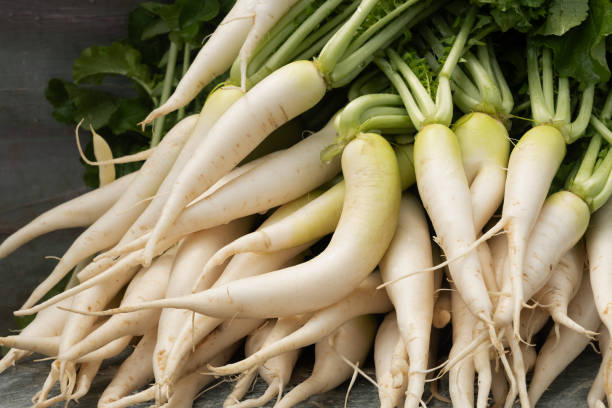
1. Prepare the Radish
- Wash the radish thoroughly to remove any mud.
- Peel off the skin and grate it finely using a manual grater or food processor.
- Important Step: Squeeze out excess water from the grated radish to avoid a watery chutney.
2. Make the Chutney Base
- In a mortar & pestle (or small mixer), grind:
- Green chillies
- Garlic cloves (if using)
- Tamarind pulp
- Roasted cumin powder (if using)
- Salt
- Walnuts (if using)
- You can also grind dry red chilli for color and warmth.
- Make a fine or coarse paste depending on your preference.

3. Mix Radish with Spice Paste
- In a mixing bowl, combine the grated radish with the freshly ground spice paste.
- Mix thoroughly to ensure the flavors are evenly distributed.

4. Add Mustard Oil
- Drizzle raw mustard oil over the mixture.
- The raw pungency of mustard oil is crucial to the authentic flavor.
- Mix again thoroughly.

5. Rest for Flavor
- Let the chutney sit for 10-15 minutes before serving to let the flavors meld.
6. Garnish and Serve
- Optionally garnish with freshly chopped coriander.
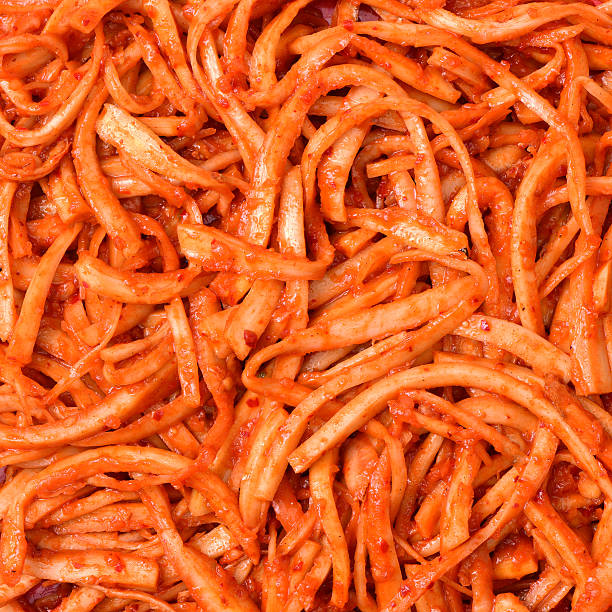
- Serve at room temperature as a side dish.
HOW TO SERVE
- Served as a side with steamed rice, Haakh, Nadur Yakhni, Rajma, or even Khichdi.
- Can be enjoyed with Kashmiri roti or paratha as well.
🧂 FLAVOR PROFILE
| Taste | Character |
|---|---|
| Spicy | From chillies and radish |
| Tangy | Tamarind |
| Pungent | Raw mustard oil |
| Earthy | Roasted cumin & garlic |
| Crunchy | From the grated radish |
NUTRITION & DIGESTION
- Radish is excellent for digestion, helps detoxify the liver, and is rich in fiber.
- Mustard oil boosts immunity and has antibacterial properties.
- Tamarind adds antioxidants and aids digestion.
VARIATIONS
- With Yogurt (Dahi Muji Chetin):
- Add a few tablespoons of curd to mellow the chutney.
- Especially useful if the radish is too pungent.
- With Mint or Cilantro:
- Add mint or coriander leaves while grinding for a herbal twist.
- With Walnut (Doon Muji Chetin):
- Traditional Kashmiri households may add crushed or ground walnuts.
- Cooked Version:
- Some versions lightly sauté the grated radish to reduce pungency.
TIPS FOR BEST TASTE
- Use fresh, firm radish to avoid bitterness.
- Always squeeze out water from grated radish.
- Don’t skip mustard oil – it’s central to the flavor.
- Adjust tamarind carefully – a little goes a long way.
- Let it rest before serving to enhance flavor.
CULTURAL CONTEXT
- In Kashmir, Muji Chetin is a humble but essential chutney.
- It’s often part of daily meals, especially in colder months when radish is abundant.
- It reflects the minimalist, seasonal, and earthy approach of Kashmiri home cooking.
- Served both in everyday meals and Wazwan feasts (in variations).
STORAGE
- Best eaten fresh.
- Can be stored in the refrigerator for up to 24 hours.
- Flavor intensifies but radish may release water over time.

ALSO IT CAN BE STORED IN COLD PLACES TO AVOID ROTTING

No responses yet