Imagine sitting in a warm wooden cottage in the Kashmir Valley, snowflakes falling silently outside, and the scent of fennel and yogurt wafting from a bubbling pot in the kitchen. You lift the lid—and there it is—Nadru Yakhni, the soul-warming, delicately spiced dish made from lotus stem, a royal culinary heirloom passed down through generations.
This isn’t just food. This is Kashmir on a plate.
The Story Behind Nadru Yakhni
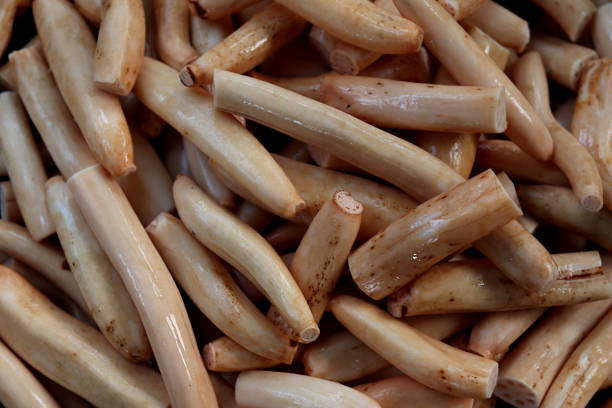
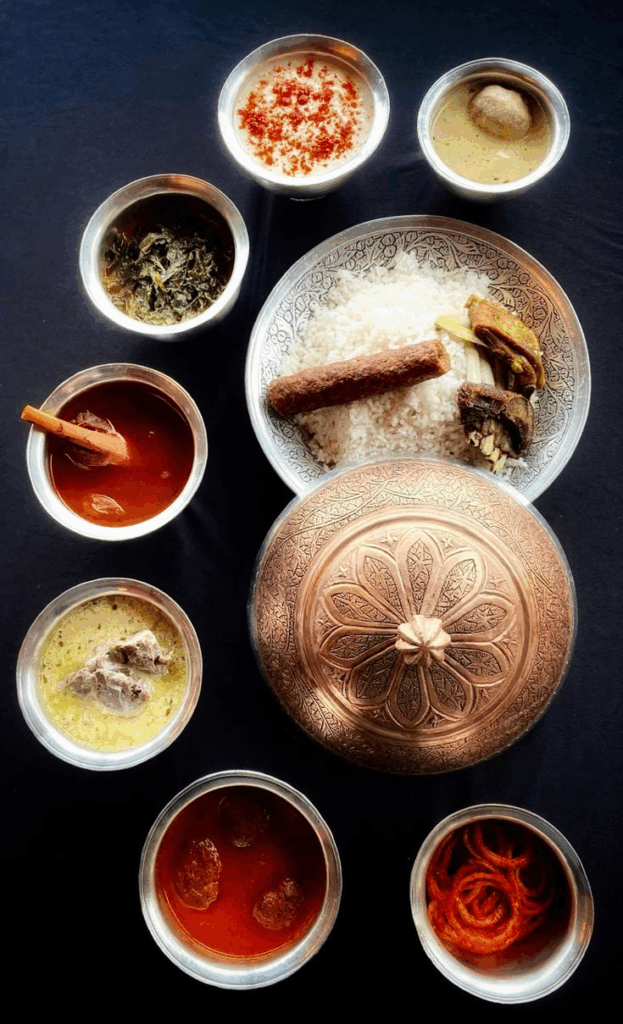
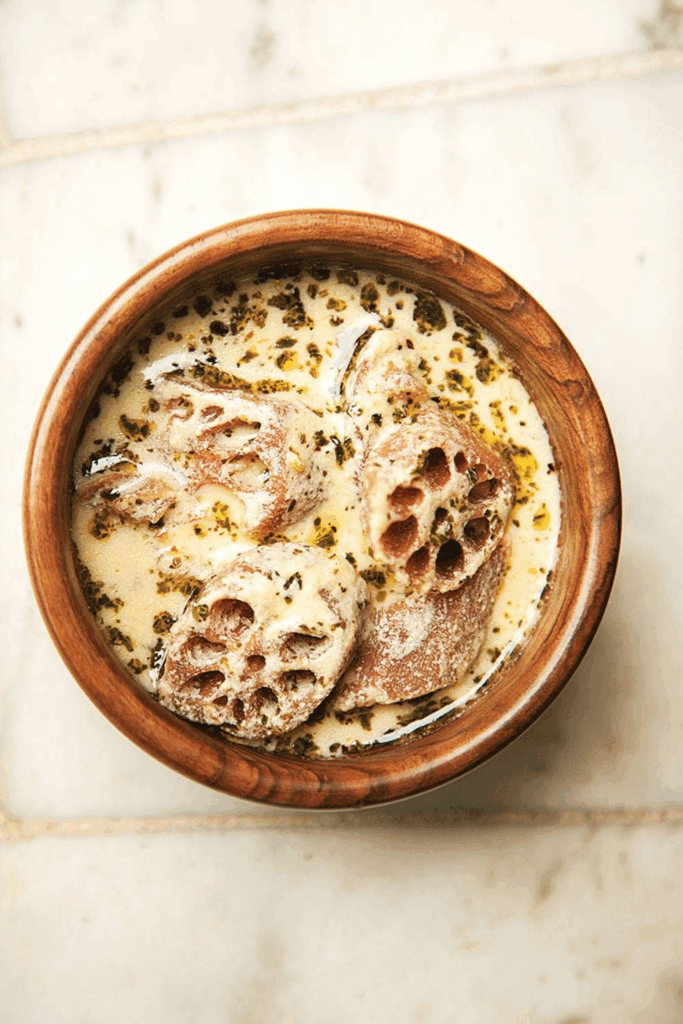
In Kashmiri cuisine, “Nadru” refers to lotus stem, a beloved vegetable found in the pristine waters of Dal Lake and Wular Lake. Its earthy crunch and porous texture make it a prized ingredient, often reserved for special meals and Wazwan feasts.
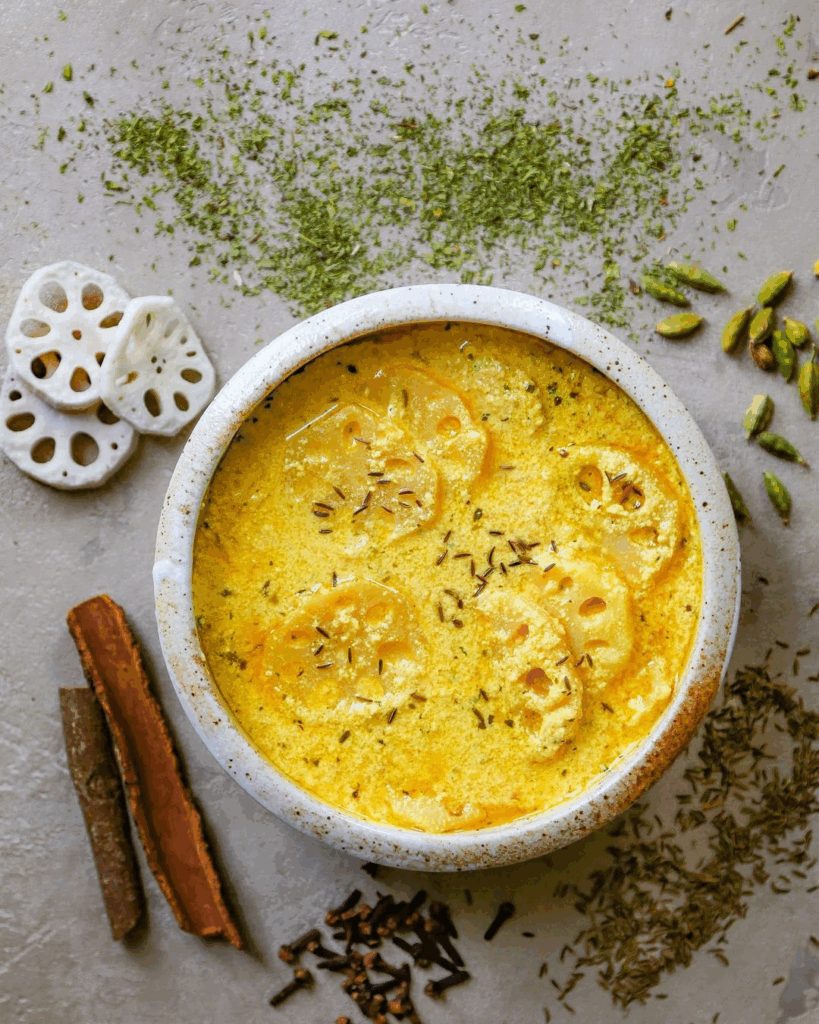
“Yakhni” is a mild, yogurt-based gravy infused with aromatic spices like fennel and dry ginger, originating from Persian cuisine, brought to Kashmir by the Mughals and adapted beautifully by the local Pandit community.
While Kashmiri cuisine is often known for fiery red gravies and bold flavors, Nadru Yakhni stands out with its graceful simplicity, letting the spices whisper rather than roar.
Traditionally prepared by Kashmiri Pandits, Nadru Yakhni avoids onions and garlic, instead relying on a blend of yogurt, fennel, and dry ginger for its signature taste. It’s a dish rooted in spirituality, seasonality, and sophistication.
Ingredients
For the Nadru (Lotus Stem):
Fresh lotus stem (nadru) – 250 grams (washed, peeled, and sliced into medium-thick rounds)
Water – enough to boil nadru
Salt – to taste
For the Yakhni (Gravy):
Thick curd (plain yogurt) – 1 cup (whisked until smooth)
Fennel powder – 2 tsp
Dry ginger powder (saunth) – 1 tsp
Whole cloves – 4–5
Black cardamom – 2 pods
Green cardamom – 4 pods
Bay leaf – 1
Cinnamon stick – 1 inch
Asafoetida (hing) – a pinch
Mustard oil – 2 tbsp
Ghee – 1 tbsp (optional, for richness)
Water – 1½ cups (adjust as needed)
Salt – to taste
Step-by-Step Recipe
1. Prepare the Nadru
Wash the lotus stems thoroughly to remove any mud from the holes inside.
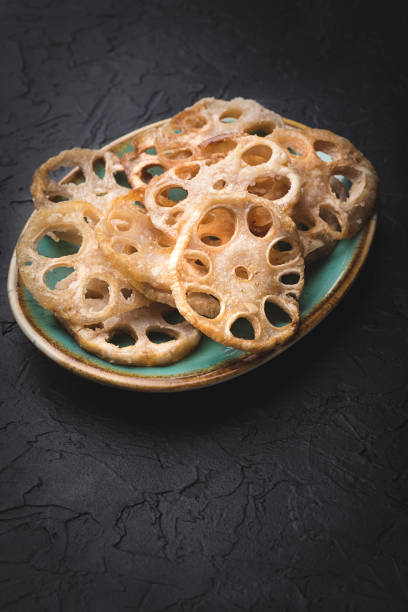
Peel and slice them into medium-thick roundels.
Boil in lightly salted water until tender but not mushy (around 10–12 minutes). Drain and set aside.
Tip: Lotus stem should retain its crunch. Don’t overcook!
2. Temper the Oil
Heat mustard oil in a deep pan until it reaches its smoking point (this removes bitterness).
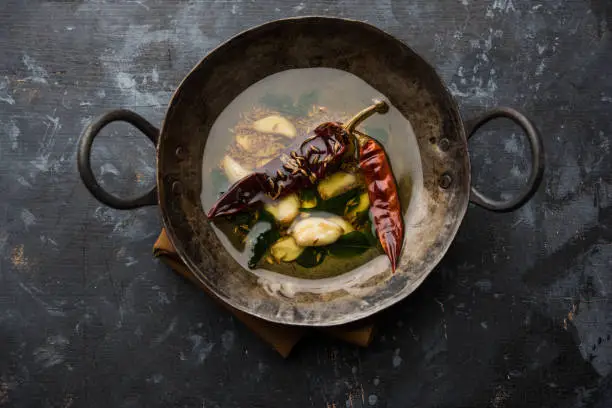
Reduce the flame and add asafoetida, followed by whole spices: cloves, cinnamon, bay leaf, black and green cardamoms.
Let them sizzle for a few seconds to release their aroma.
3. Make the Yakhni Base
In a bowl, whisk yogurt with fennel powder, dry ginger powder, and a pinch of salt.
Reduce the flame to low and slowly add the whisked yogurt to the pan, stirring continuously to prevent curdling.
Cook on low heat until the oil starts separating and the mixture thickens slightly. This is a slow, meditative process that builds flavor.
Be patient. Never add yogurt on high heat—it will split.
4. Simmer the Nadru
Add the pre-boiled lotus stems into the yogurt base.
Pour about 1½ cups of warm water to make a light, soupy gravy.
Add salt to taste and bring it to a gentle boil.
Let it simmer uncovered for 10–15 minutes, allowing the flavors to absorb into the nadru.
5. Finish with Ghee (Optional)
For a luxurious finish, drizzle a tablespoon of warm ghee over the dish before serving.
How to Serve
Serve Nadru Yakhni hot with steamed basmati rice or Kashmiri roti.
Pairs wonderfully with fried haak (collard greens) or mujh chetin (radish chutney) on the side.
Cultural Notes
Nadru Yakhni is often served during auspicious occasions, pujas, and weddings.
Unlike many Indian curries, it contains no onion, garlic, tomatoes, or turmeric—symbolizing purity and balance.
It’s an excellent choice for Sattvic or Ayurvedic diets.
Final Thoughts
Nadru Yakhni is not just a dish; it’s a culinary meditation—subtle, soulful, and deeply nourishing. It tells the story of a land cradled in mountains, where food is poetry and every ingredient has meaning.
By cooking Nadru Yakhni, you’re not just feeding your body—you’re honoring centuries of tradition, culture, and mindful living.


No responses yet