
Also known as: Burasu in rural Rajasthan (do not use Onion and Garlic if making in Navratri)
When the Desert Teaches You to Cook
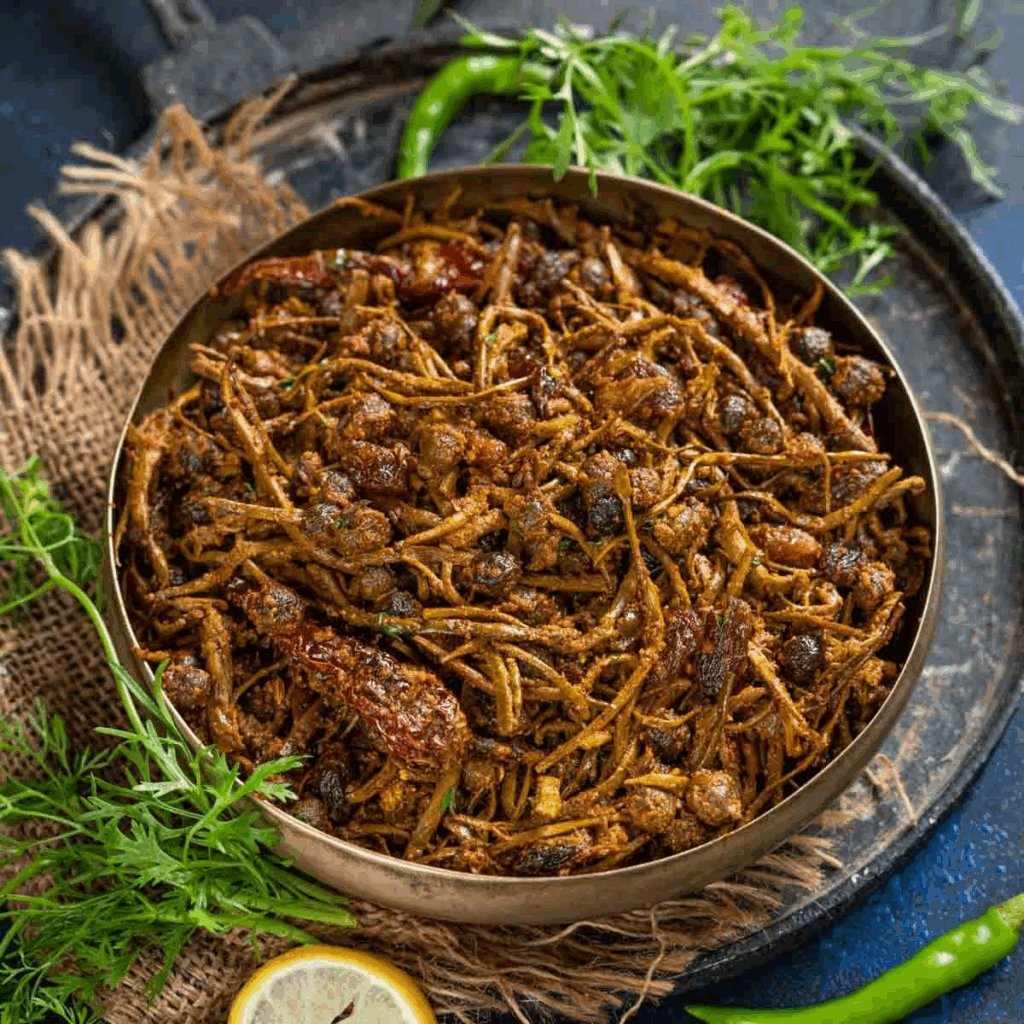
Imagine standing in the middle of the Thar Desert. The wind is dry, the sun is fierce, and not a vegetable grows for miles. But under that golden sand, in a land that seems barren, nature hides its gems: tiny berries called Ker and slender wild beans called Sangri. They are tough, just like the people of Rajasthan. Dried by the desert, soaked in tradition, and revived in a pot of spices and ghee — together, they become one of Rajasthan’s most iconic dishes: Ker Sangri.
What is Ker Sangri?
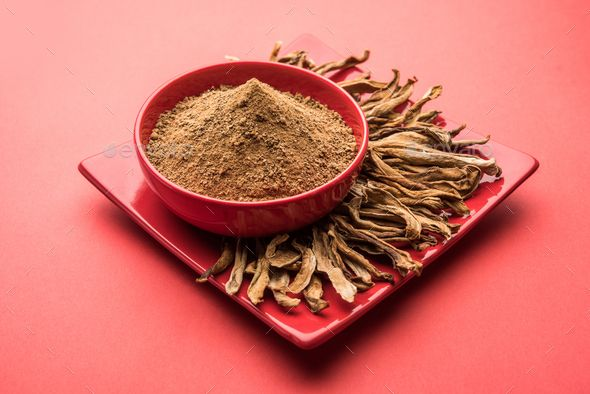
- Ker – A wild desert berry with a tangy, slightly bitter taste, found only in Rajasthan.
- Sangri – Thin, long beans from the khejri tree, rich in protein and fiber.
- Both are sun-dried and preserved, a practice born out of necessity in arid conditions where fresh vegetables are scarce.
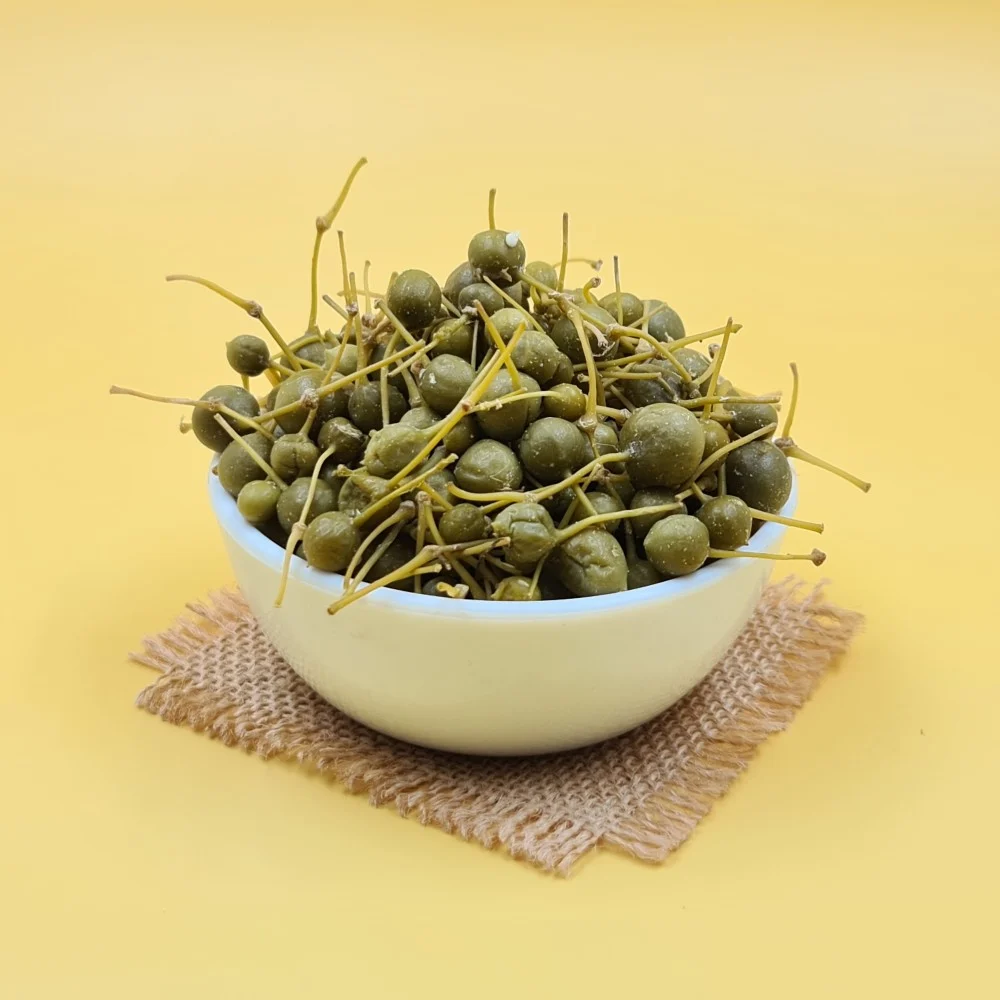
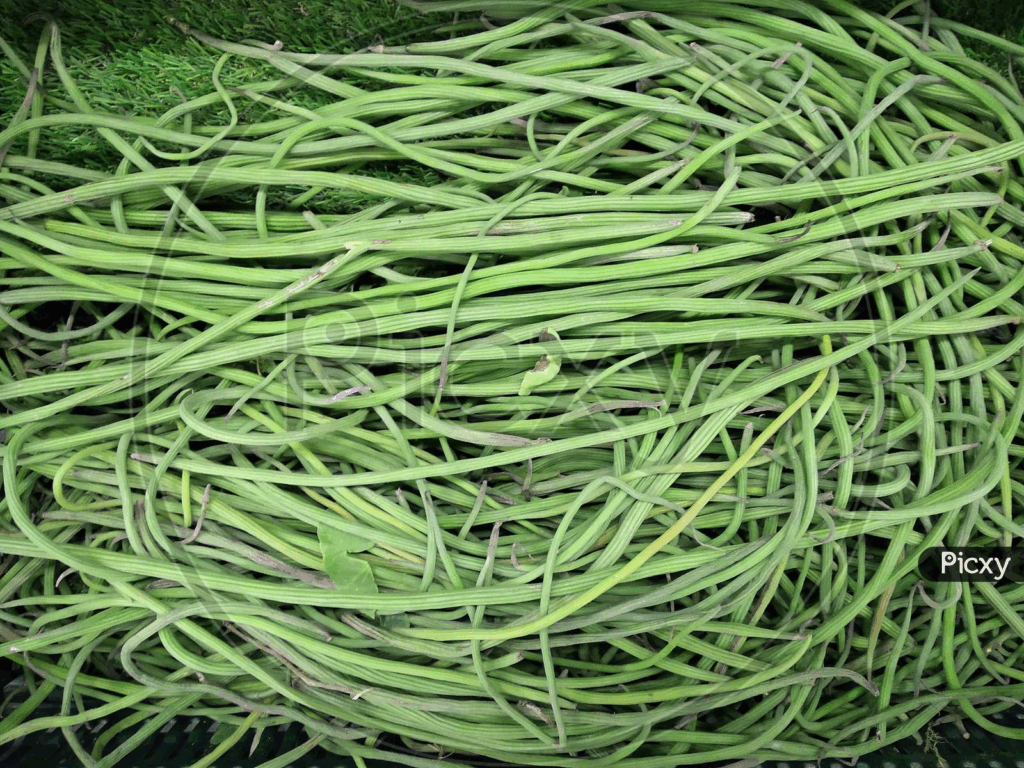
Together, they create a dish that is earthy, tangy, spicy, and beautifully complex — a true Rajasthani culinary jewel.
Ingredients (Serves 4)
| Ingredient | Quantity |
|---|---|
| Ker (dried) | 1/4 cup |
| Sangri (dried) | 1/2 cup |
| Ghee or mustard oil | 3–4 tablespoons |
| Cumin seeds | 1 tsp |
| Asafoetida (hing) | A pinch |
| Carom seeds (ajwain) | 1/2 tsp |
| Dry red chilies | 2–3, broken |
| Turmeric powder | 1/2 tsp |
| Coriander powder | 2 tsp |
| Red chili powder | 1 tsp (adjust to taste) |
| Amchur (dry mango powder) | 1 tsp |
| Salt | To taste |
| Yogurt (optional) | 2 tbsp (for softness) |
| Lemon juice | 1 tsp (optional) |
| Chopped coriander | For garnish |
Prepping Ker and Sangri (Very Important)
- Rinse the dried ker and sangri separately under running water 3–4 times to remove any sand and bitterness.
- Soak both in water for 6–8 hours or overnight.
- Drain and pressure cook them in fresh water with a pinch of salt:
- 1 whistle on medium flame is enough.
- Drain the water and keep aside.
The aroma at this point is earthy and nutty — a smell that speaks of sun-soaked sand, dry winds, and old clay pots.
Cooking Method: With Emotion & Aroma
Step 1: Heat the Ghee (or Mustard Oil)
- In a heavy-bottomed pan, heat 3–4 tbsp ghee or mustard oil.
- Let it heat until slightly smoky if using mustard oil.
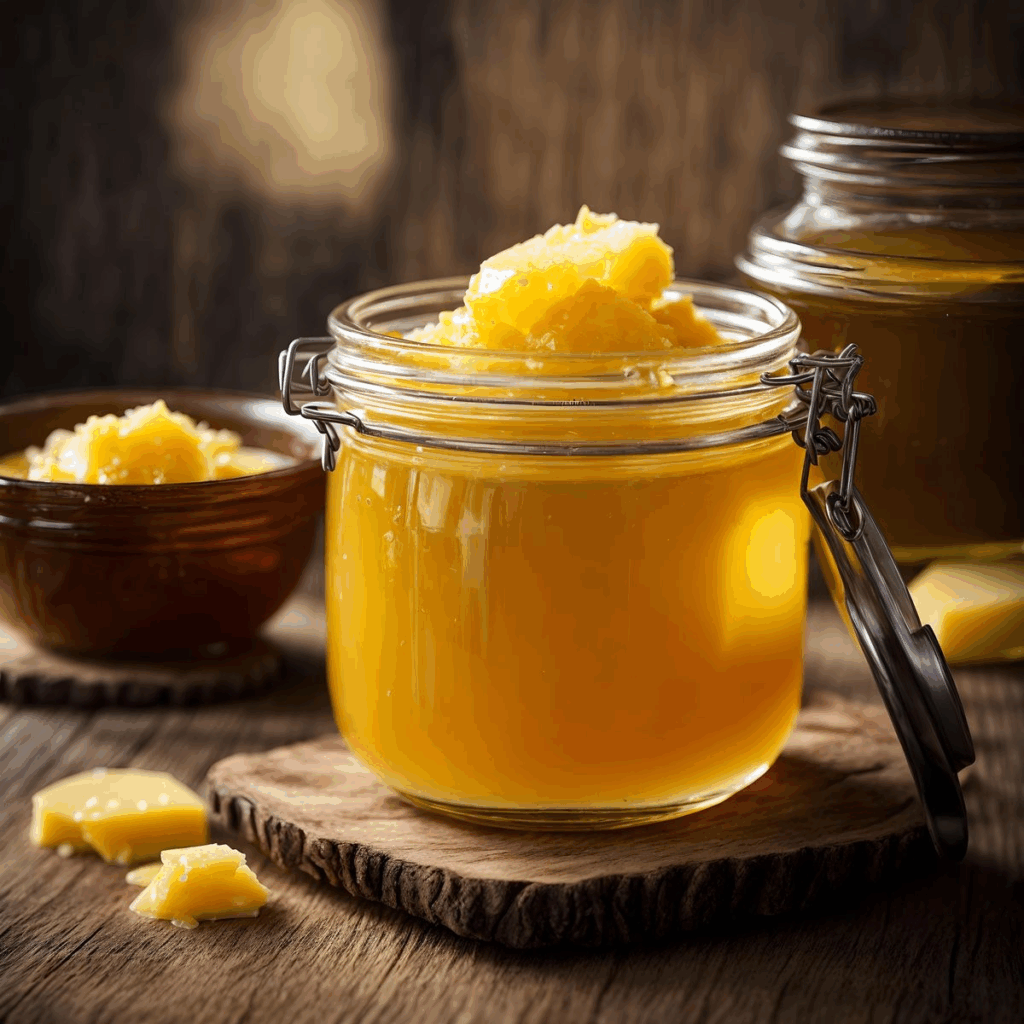
The sizzling sound of ghee meeting iron is like an old song — comforting, eternal.
Step 2: Add the Tadka (Tempering)
- Add cumin seeds, ajwain, asafoetida, and dry red chilies.
- Let them splutter and release their aroma.

You’ll smell warmth, like the crackle of firewood in a village kitchen.
Step 3: Spice it Right
- Add the boiled ker and sangri.
- Mix gently.
- Now add:
- Turmeric
- Red chili powder
- Coriander powder
- Salt
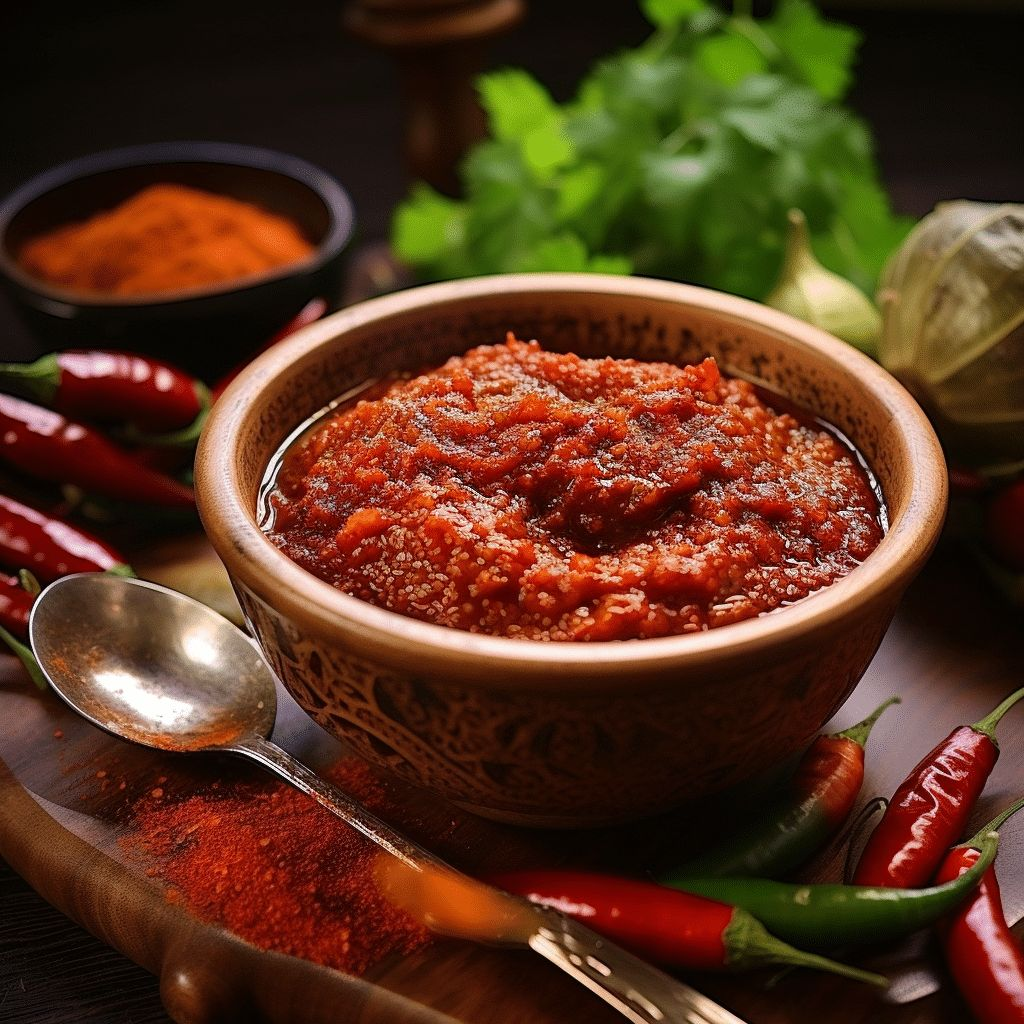
Sauté on low flame for 5–7 minutes, letting the spices coat the berries and beans completely.
Step 4: The Tangy Touch
- Add amchur powder for tang.
- Optionally, stir in a spoon of yogurt for richness and softness.
- Some also add a few drops of lemon juice at the end for freshness.
This moment is divine — the dish goes from earthy to alive. You’ll smell spice, tang, ghee, and something ancient — like the desert after the first rain.
Step 5: Rest & Garnish
- Let it rest for 10 minutes so the flavors settle.
- Garnish with fresh coriander (if available).
How to Serve
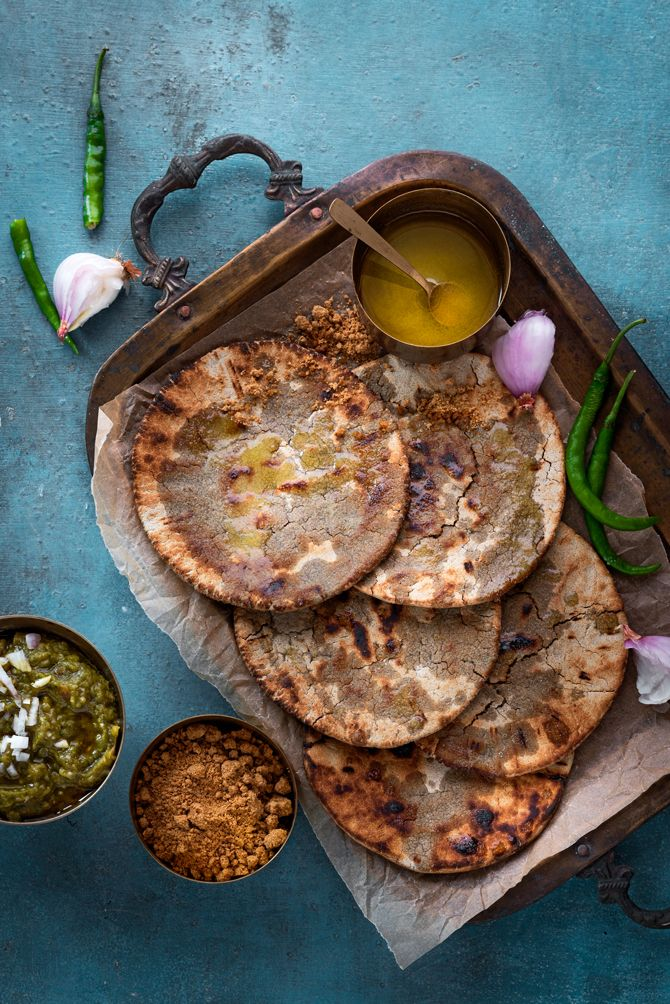
Ker Sangri is traditionally served with:
- Bajre ki roti (Pearl millet flatbread)
- Ghee
- Lehsun (garlic) chutney (if not fasting)
- Fresh buttermilk or curd

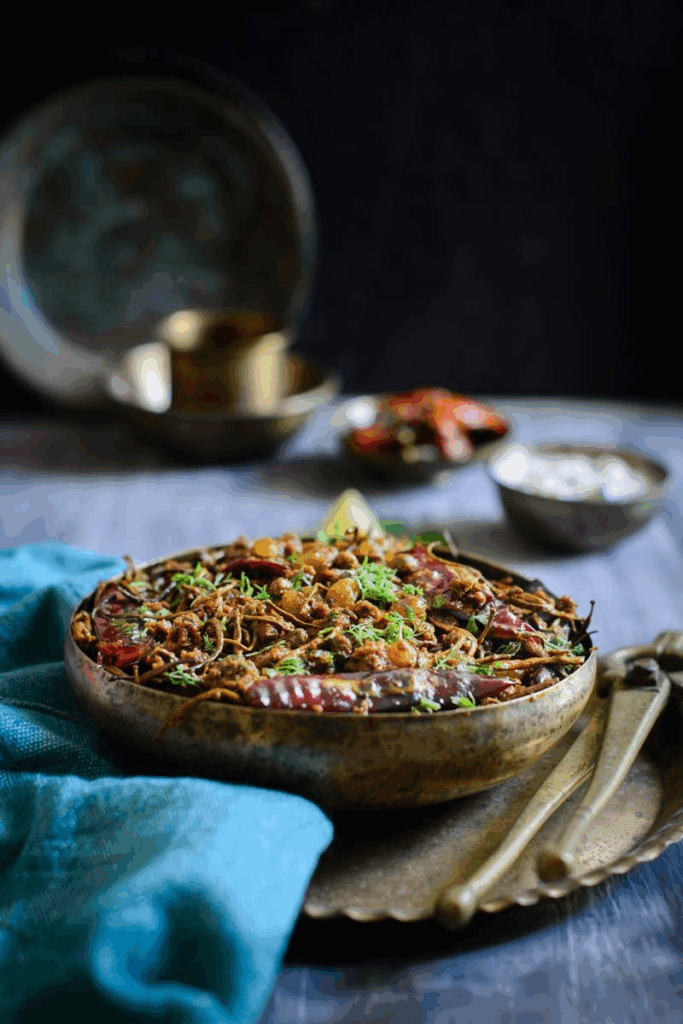
It also pairs beautifully with missi roti or even plain rice.
Emotions on a Plate
Ker Sangri is a dish of heritage and survival. It reminds you that flavor doesn’t need luxury — just understanding. It speaks of mothers cooking over woodfires, travellers resting under khejri trees, and flavours drawn from the heart of the desert.
Every bite is:
- Spicy like Rajasthan’s sun
- Tangy like its traditions
- Earthy like its soil

Tips & Variations:
- You can add raisins or kasuri methi for a twist.
- To make it richer, add crushed mathris before serving (common in Marwari homes).
- Can be stored in the fridge for 3–4 days — the flavor deepens over time!

No responses yet