Imagine the gentle scent of ghee warming in a clay pot… cumin seeds crackling as they release their earthy aroma… the tang of yogurt mingling with the sweetness of simmering potatoes… This isn’t just food – this is the warm hug of a mother during Navratri, when the air smells of devotion, simplicity, and soul nourishment.
In Rajasthan, Aloo Ki Kadhi is more than a dish — it’s a legacy passed from daadi (grandmother) to ma (mother) to beti (daughter), eaten on fasting days when the body is light but the heart is full.
🥔🌿 Ingredients (For 2-3 Servings)
For the Kadhi Base:
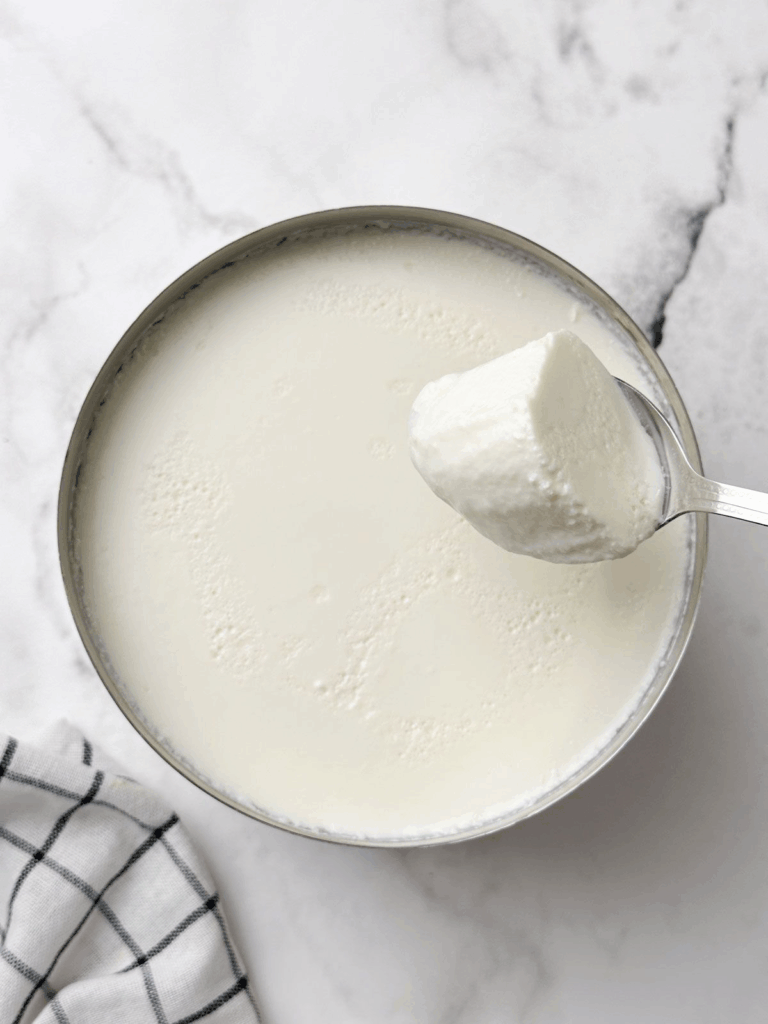
1 cup curd (dahi) – fresh and not too sour
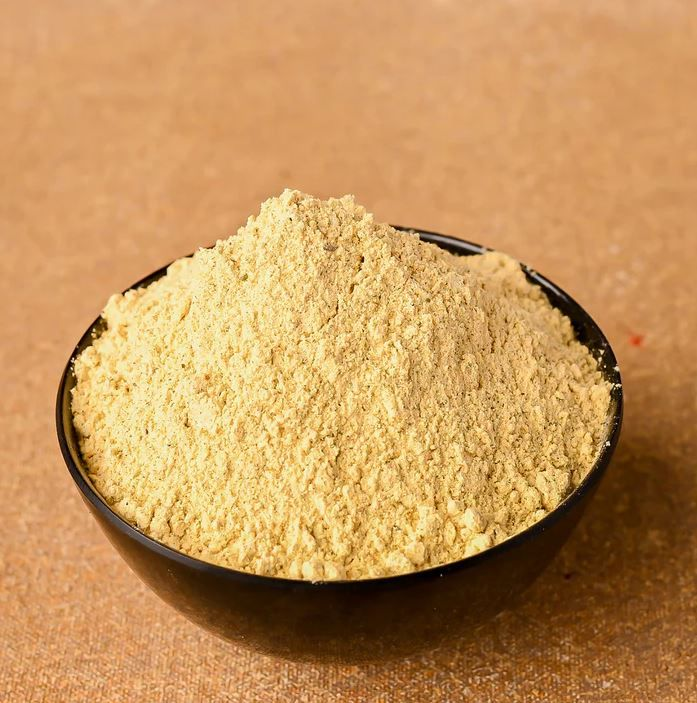
2 tablespoons Singhare ka Atta (Water Chestnut Flour) – or rajgira flour as an alternative
2 cups water – adjust for thickness
Singhare ka Atta
Vegetables:
2 medium potatoes, boiled and cubed
Tempering (Tadka):
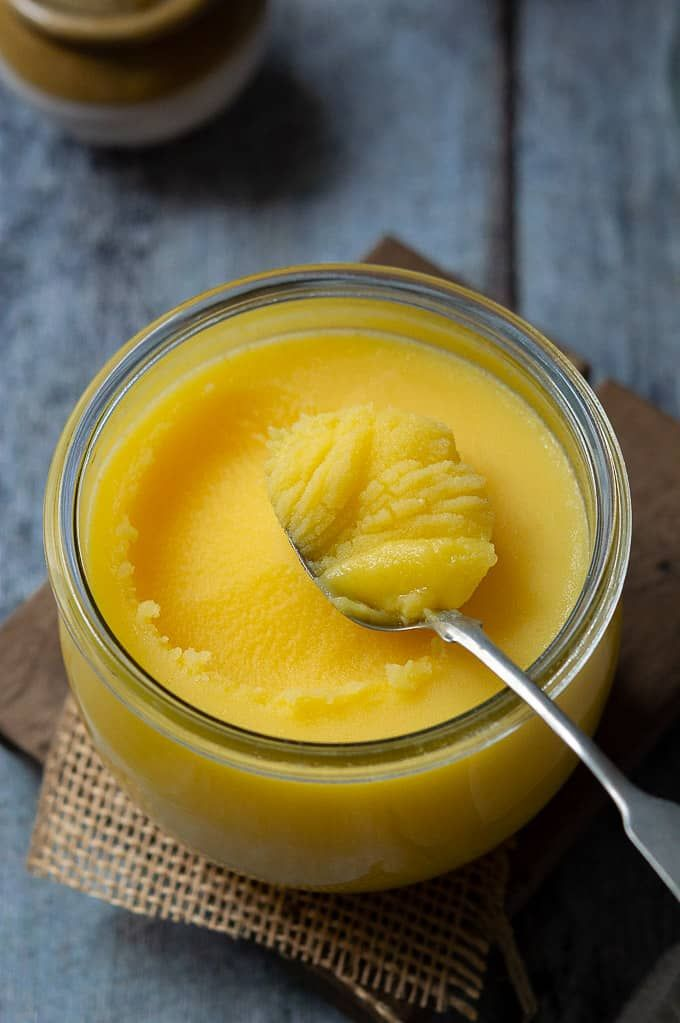
1.5 tablespoons ghee
1 teaspoon cumin seeds (jeera)
1-2 green chilies, slit or chopped
1/2 teaspoon grated ginger (optional but warming)
Few curry leaves (optional – depends on regional variation)
Seasoning:
Sendha namak (rock salt) – as per taste
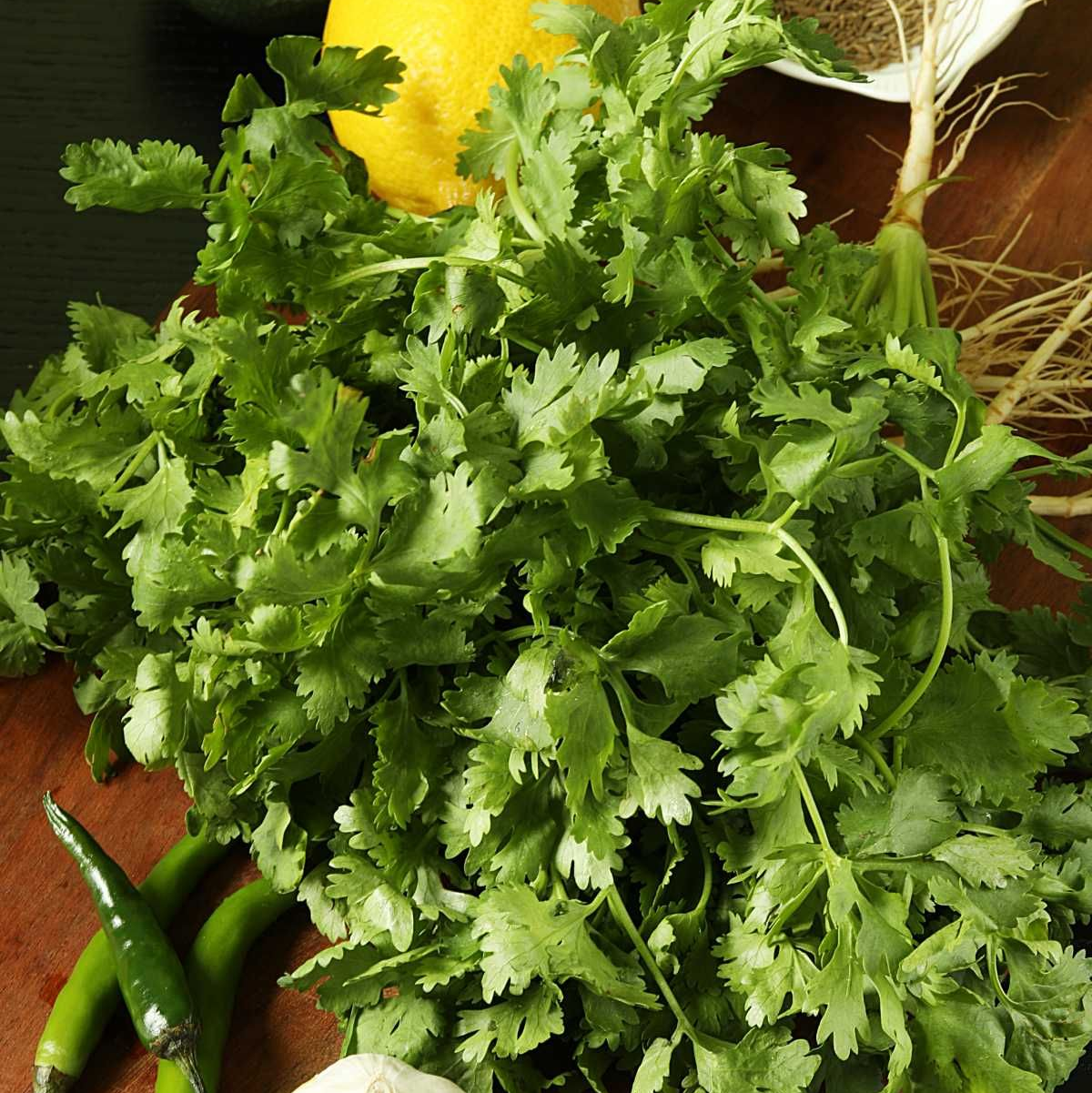
Fresh coriander leaves – chopped, for garnish
Red chili powder – optional, or substitute with black pepper if strictly fasting
🍲🔥 Step-by-Step Recipe (With Feelings)
🌼 Step 1: Prepare the Kadhi Base
In a mixing bowl, whisk together:
Curd
Singhare ka atta
Water
Make sure the mixture is lump-free and smooth. This creamy base will become your kadhi — rich, light, and perfect for fasting.
As you whisk, think of how your grandmother might have done this by hand, with a wooden mathani (butter churner) and no rush.
🌿 Step 2: Boil the Potatoes
Boil the potatoes until soft, peel them, and cube them gently. You want them tender but not mushy.
Potatoes are humble — like us during Navratri — soft, nourishing, and grounding.
🔥 Step 3: Make the Tempering (Tadka)
In a kadhai (or deep pan), heat ghee on medium flame.
Add:
Cumin seeds – let them crackle
Ginger – sauté for a few seconds
Green chilies – for a hint of warmth
(Optional curry leaves – adds aroma but avoid if you don’t use them during fasts)
This moment is sacred — the sizzle of tadka is like the temple bell in your kitchen, awakening the dish.
🥣 Step 4: Add Kadhi Base to the Tadka
Lower the flame and slowly pour the curd-water-att flour mix into the pan. Stir continuously to avoid curdling.
Keep stirring until it comes to a gentle boil.
Add:
Sendha namak (rock salt)
Boiled potato cubes
Let the kadhi simmer for 10–12 minutes, or until it thickens to your liking. Stir occasionally.
As the kadhi simmers, your kitchen fills with that creamy, nutty aroma — like the peace after aarti.
🪷 Step 5: Garnish & Serve
Turn off the heat and let it sit for a minute. Garnish with fresh chopped coriander.
Serve hot with:
Samak Chawal (barnyard millet rice)
Rajgira puris
Or enjoy it as-is — in a bowl, with a spoon, and a grateful heart.
❤️ Final Note: A Dish for the Soul
Aloo ki Kadhi is the kind of dish you make when you’re looking for warmth in simplicity. During Navratri, when the body is cleansing and the mind is inward, this dish becomes the perfect companion — light, pure, and made with devotion.
Whether you’re cooking for your family, offering it to the divine, or just feeding your soul on a quiet afternoon — let this kadhi remind you that fasting is not about deprivation, but about choosing food that loves you back.





No responses yet