
🌱 Korean Fermented Soybean Stew — Vegetarian/Vegan Version
Cook Time: ~30 minutes
Serves: 2–3
Level: Easy, but soulful
WHY YOU’LL LOVE THIS SOUP
The moment doenjang hits the pot, everything changes.
The kitchen fills with a deep, fermented richness — like earth after rain. Then comes garlic, gochugaru, and scallions — adding warmth, heat, and a toasty zing. As the vegetables soften and tofu soaks in the broth, the stew becomes more than a meal — it becomes a comfort ritual.
Doenjang jjigae doesn’t scream for attention like spicy kimchi jjigae. Instead, it wraps around your senses, warm and grounding, like a well-worn sweater or your favorite book on a cold day.
🛒 INGREDIENTS – SIMPLE, HONEST, POWERFUL
🥣 Broth Base:
- 2.5 cups vegetable broth (or homemade dashima broth – kombu + dried shiitake simmered in water)
- 2.5 tablespoons doenjang (Korean fermented soybean paste)
- 1 teaspoon gochugaru (optional, for gentle heat)
- 1 teaspoon soy sauce
- 2 cloves garlic, minced
- 1/2 teaspoon sesame oil

🥬 Vegetables (feel free to customize):
- 1/2 zucchini, sliced into half-moons
- 1 small potato, peeled and cubed
- 1/4 onion, sliced
- 1/2 cup tofu, cubed (soft or medium firm)
- 1/2 cup mushrooms (shiitake, oyster, or enoki)
- 1 stalk green onion, chopped
- Optional: a few slices of Korean radish, a handful of spinach, or a bit of chopped napa cabbage

🔪 STEP-BY-STEP WITH SENSORY DETAIL
1️⃣ Prepare the Broth — Build the Foundation
If using dashima broth:
- Soak a 2″x2″ piece of dried kombu and 2 dried shiitake mushrooms in 3 cups of warm water for 20 minutes.
- Simmer for 10 minutes, then remove solids. You now have a rich, umami base.
👃 Smell: The steam smells like a forest in the rain — earthy, mushroomy, and calming.
2️⃣ Add the Doenjang — the Soul of the Dish
- Scoop 2.5 tbsp doenjang into a ladle.
- Dip the ladle into the hot broth and use chopsticks to dissolve it gently.
- Stir it back into the pot.
- Add garlic, gochugaru, and soy sauce.
🔥 The broth now turns cloudy and golden-brown — pungent, nutty, and earthy.
👃 Aromas:
A rich, fermented funk. Not harsh — more like aged miso mixed with garlic and toasted barley. It’s deep and comforting, almost primal.
3️⃣ Add the Hearty Vegetables
Add in this order:
- Potatoes – they need the longest to cook.
- After 5 mins: onions, zucchini, radish (if using), and mushrooms.
Simmer gently on medium heat. Let the vegetables absorb the broth, not just float in it.
👃 The aroma is savory and sweet now — like roasted garlic mashed with mellow miso and garden vegetables.
👀 The broth thickens slightly, small bubbles rise and pop gently — the sound of something stewing with purpose.
4️⃣ Add the Tofu — Silken Contrast
- Gently place tofu cubes into the pot.
- Simmer another 3–5 minutes until everything is tender.
- Add chopped green onions.
- Turn off the heat and finish with a drizzle of sesame oil.
👃 Final aroma:
A balance of fermented depth, garlic sharpness, toasted sesame, and clean vegetable sweetness. It smells old and familiar, like something you’ve always known.

🍚 HOW TO SERVE
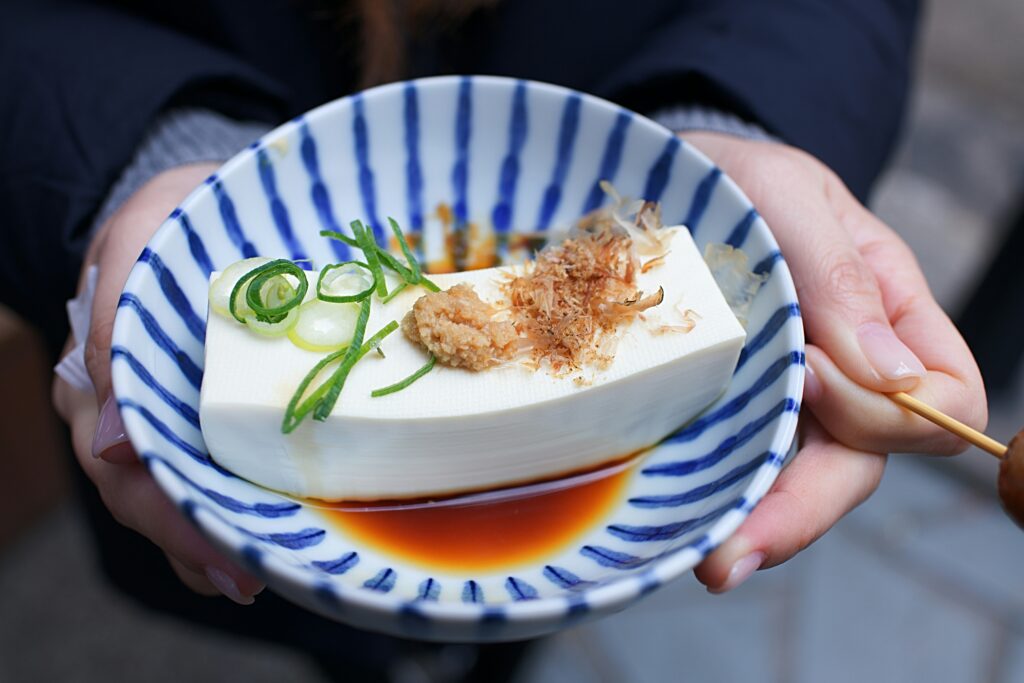
- Ladle the stew piping hot into a stone bowl or deep dish.
- Serve with steamed short-grain rice and kimchi on the side.
- Optional: top with seaweed flakes, extra gochugaru, or even a few drops of chili oil.


🧠 TASTE PROFILE — A BOWL OF WISDOM
| Element | Description |
|---|---|
| Umami | From doenjang, mushrooms, soy — deep and rich |
| Sweetness | From onions, zucchini, and potato |
| Saltiness | Balanced, mellow soy and fermented paste |
| Spice | Optional warmth from gochugaru |
| Texture | Soft tofu, tender vegetables, silken broth |
🧡 The stew is humble but powerful. You taste the fermentation, the earth, the garlic, the time. It’s not flashy, but it lingers — in your mouth, your nose, and your memory.
🧂 OPTIONAL VARIATIONS
- Add rice cakes (tteok) for chewiness

- Add perilla leaves for herbal aroma
- Use white miso + tahini if you don’t have doenjang (not traditional, but similar vibe)
📜 FINAL WORD
Doenjang jjigae isn’t just food.
It’s grandmother energy. It’s the scent of home after a long trip. It’s the stew that says, “You’ve had a hard day — sit down, eat, rest.”
It’s a hug in a bowl, brewed in fermentation, aged in love, and meant to be shared.

No responses yet